5 Long-term effects of low-grade chronic inflammation
By Fiona Smulders2 min read
What is Inflammation?
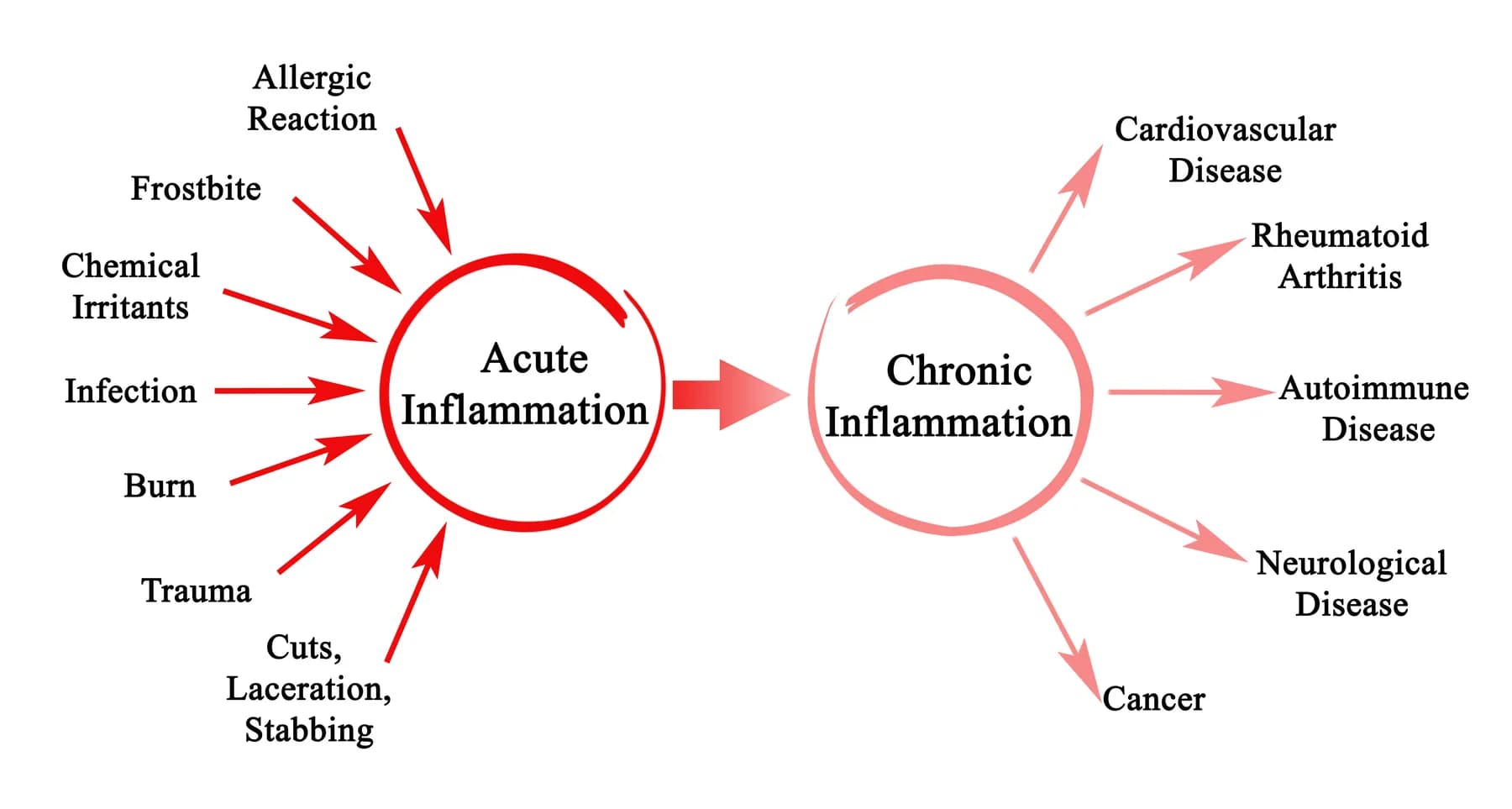
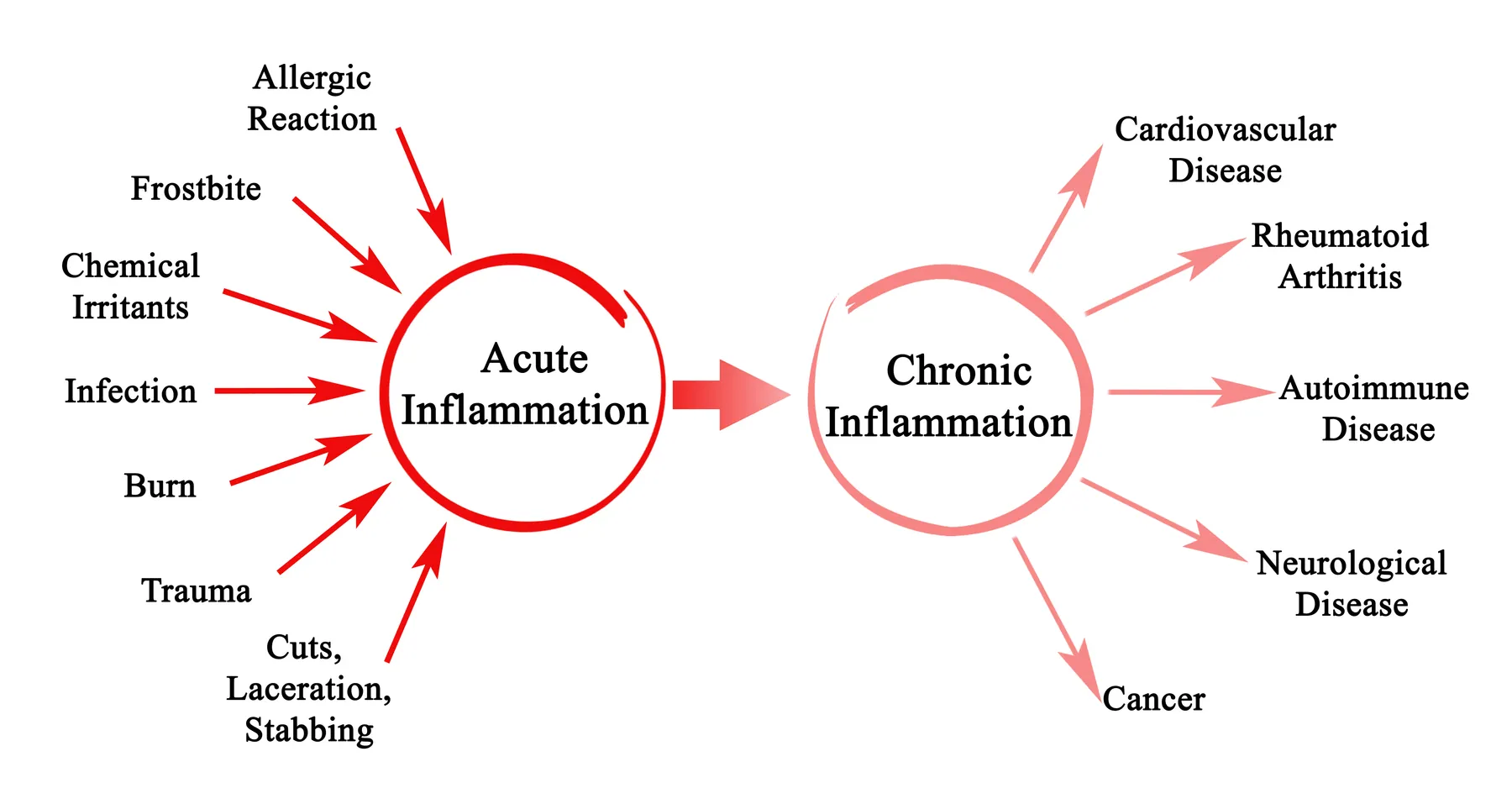
Inflammation is the body's natural response to infections, irritants or injury. When this occurs, chemicals from your body's immune cells get released into circulation. This brings more blood flow and more immune cells to the injured area. Consequently, the body may experience swelling, redness and pain as it is healing. The body can heal quickly if this lasts for a short period of time (acute inflammation). However, you can experience chronic health problems if it lasts for too long as low-grade chronic inflammation.(1)(8)
5 Long-term effects of low-grade chronic inflammation
Inflammation can irritate and damage local tissues when it stays for too long. As a result, longevity and long term health may be compromised. Below is a list of five Long-term effects of low-grade chronic inflammation.
1. Cardiovascular concerns.
When inflammation is present in our blood vessels, it can cause damage to the blood vessel walls. This can contribute to the formation of fatty plaques inside blood vessel walls. These fatty plaques may result in atherosclerosis, causing a narrowing of the blood vessels and an increase in blood pressure. If a piece of the plaque breaks off, it can form a blood clot and increase the risk of stroke and heart attack.(2)(7)(9)
2. Pain and indigestion.
Bloating, cramping and changes in bowel movements may have an underlying inflammatory cause. For example, Inflammatory Bowel Disease (IBD) is a condition of the gut that is caused by sustained inflammation. When this inflammation sticks around for too long, it can damage the gut wall. Consequently, abdominal pain, bloating and changes in bowel movements may occur.(2)
3. Cognitive impairment.
When inflammation occurs in the brain, it is called neuroinflammation. Neuroinflammation can injure brain cells and lead to structural changes inside the brain. These changes are associated with the development of Alzheimers and Parkinsons disease.(2)(5)
4. Pain and swelling in the joints.
Chronic inflammation can damage the cartilage and connective tissue that support and protect our joints. For example, rheumatoid arthritis (RA) results from an over-active immune system causing excessive inflammation in certain joints. As a result, people with RA experience swelling, redness and joint pain.(4)(5)
5. Increased risk of cancer.
Chronic inflammation can cause DNA damage within cells responsible for the development of cancer. For example, people with IBD have an increased risk of colon cancer due to persistent inflammation in the colon.(1)(2)(6)
What Can I do about it?
Stress, lifestyle and immune health all play a role in the development of inflammation. Therefor, stress modification, proper nutrition, exercise and immune support can all help lower and prevent chronic inflammation. It is also very important to screen for inflammation in your body so you can catch it before it becomes a problem. High sensitivity C Reactive Protein (hs-CRP) is a biomarker of inflammation that you can test in your blood to assess levels of inflammation, particularly in the cardiovascular system. In other words, hs-CRP can help give you an idea
of the level of inflammation in your body.