AST Blood Test: Normal Ranges, High Levels, and Next Steps
By Alan Farrell6 min read
AST needs context
AST can reflect liver stress, but it can also rise after exercise, muscle strain or stress in other tissues. The clearest interpretation comes from looking at AST with ALT, GGT and the AST:ALT ratio.
Liver context ALT and GGT help show whether the pattern is more likely liver-related.
Muscle context A hard workout in the previous 48 to 72 hours can temporarily elevate AST.
Trend context A baseline and follow-up test can show whether your result is temporary or persistent.
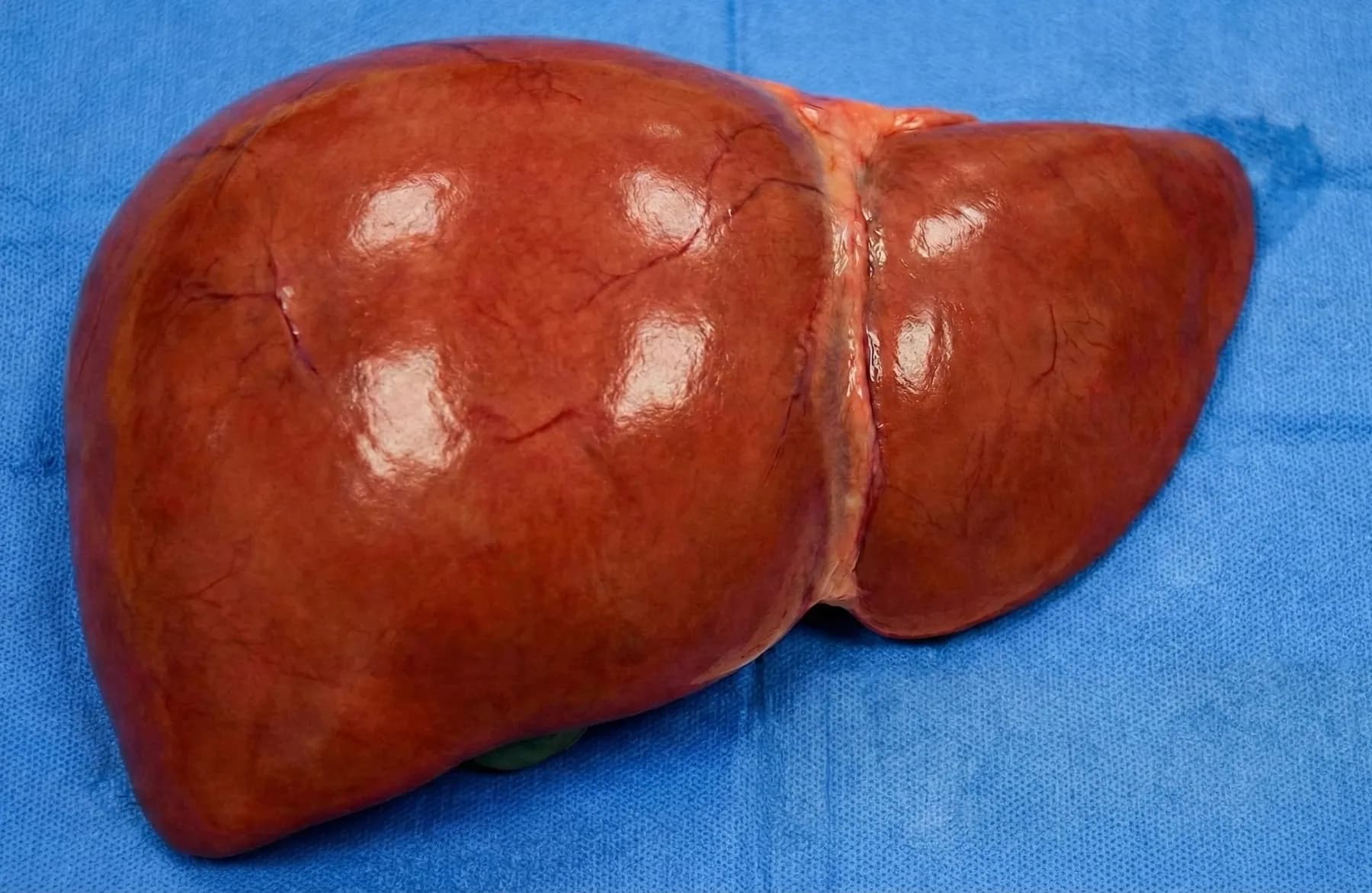
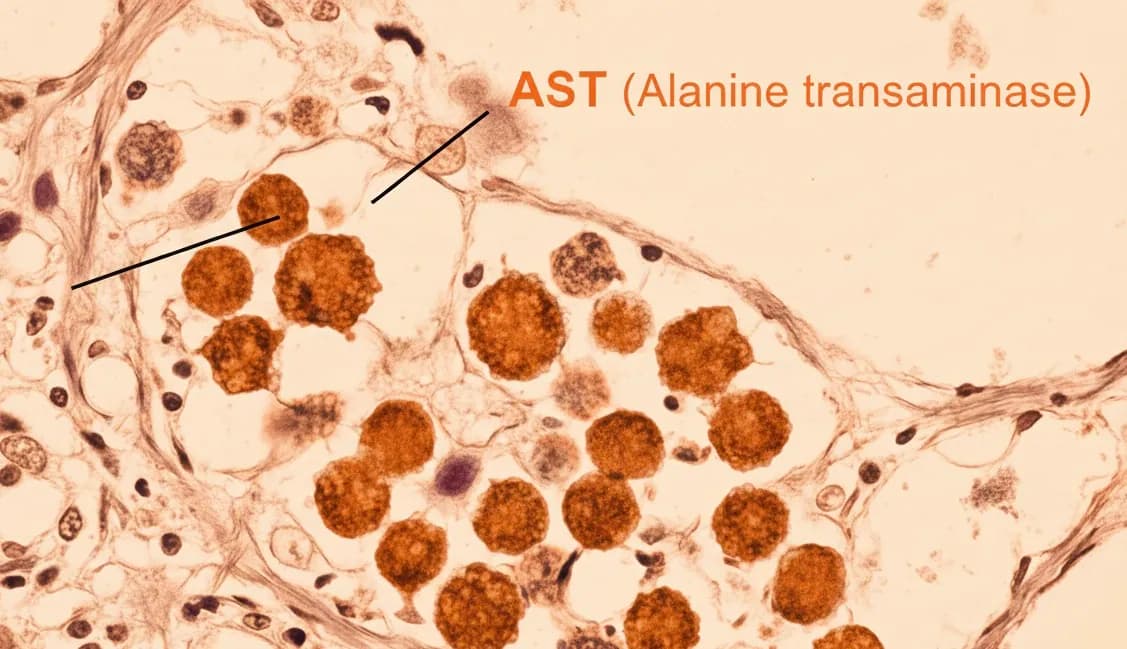
AST, also called SGOT, is one of the core enzymes used to evaluate liver health. But unlike ALT, AST is also found in your heart, muscles, kidneys, and red blood cells. That means your AST result needs context to understand whether it’s reflecting liver stress, metabolic changes, or something as simple as a hard workout.
Normal AST Ranges
| Group | Optimal | Elevated | Highly Elevated | Very Highly Elevated |
|---|---|---|---|---|
| Men (U/L) | <45 | 46–90 | 91–1000 | >1000 |
| Women (U/L) | <35 | 36–70 | 71–1000 | >1000 |
Reference ranges vary by lab, age, and sex, so it’s always important to treat numbers as a guide, not universal. AST always needs to be interpreted alongside ALT, GGT, and the AST:ALT ratio to have a clear understanding of how your numbers impact your liver function.
Establish your AST baseline
Measure AST with the supporting liver markers that help put the number in context, then retest when you need to track a change.
Test 7 core markers See the broader picture
LIVER15 automatically applied · $15 off standard · LIVER30 automatically applied · $30 off comprehensive

Common Causes of High AST
A high AST result can come from both liver and non-liver sources because AST is found in the liver, muscles, heart and other tissues. An elevated result does not automatically mean you have liver disease.
AST is most useful when reviewed alongside ALT and other liver markers. Looking at the relationship between AST and ALT can provide more context about what may be affecting your results.
Liver-Related Causes
- Metabolic dysfunction-associated steatotic liver disease, or MASLD
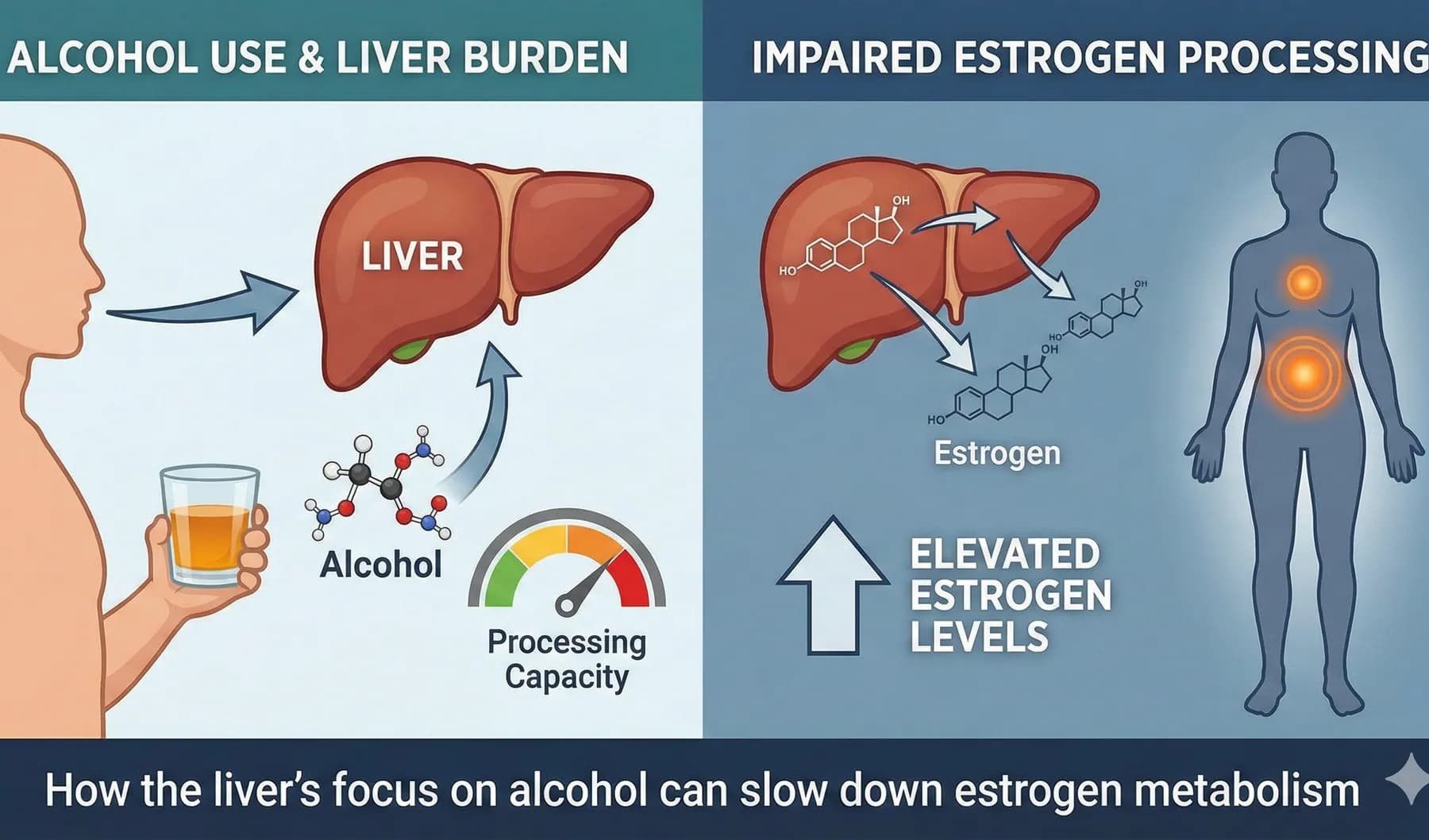
- Alcohol-related liver stress
- Viral hepatitis
- Medication effects, including some statins and antibiotics
- Acetaminophen use, including products such as Tylenol
- Broader metabolic dysfunction
Non-Liver Causes
- Intense exercise during the previous 48 to 72 hours
- Muscle strain or injury
- Heart muscle stress or injury
- Kidney-related health concerns
- Hemolysis, or the breakdown of red blood cells
Why ALT matters: AST is typically interpreted alongside ALT because ALT is more closely associated with the liver. Reviewing both markers, along with their ratio and other liver results, can help distinguish liver-related changes from muscle-related causes.
What Does Low AST Mean?
A low AST level is rarely a clinical concern. For most people, it simply reflects a normal result and does not require treatment or additional testing.
Possible reasons for a low AST result include:
Normal enzyme levels, which is the most common explanation
Lower vitamin B6 intake
Lower muscle mass
Older age
Chronic kidney disease
Persistently low AST alongside symptoms may warrant a broader review of vitamin B6, kidney function and metabolic markers. For most people, however, a low AST result is considered normal.
How At-Home AST Testing Works
At-home liver testing makes it possible to measure AST and other liver-related biomarkers without visiting a traditional laboratory.
1
Collect your sample
Use the provided materials to collect a small finger-prick blood sample at home.
2
Mail it to the lab
Return your sample using the included prepaid mailing materials.
3
View your results
Review your biomarker results in your secure Choose Health dashboard.
4
Track changes
Compare future results to your baseline and monitor how your markers change over time.
Choose Your Level of Liver Testing
Both Choose Health liver tests include AST. The right option depends on whether you want a focused view of liver function or broader liver and metabolic insights.
Focused liver testing
Liver Function Test
$90 · 7 markers
Measure AST alongside six additional markers associated with liver health and function. This is the more focused option for establishing a liver baseline and monitoring changes over time.
LIVER15 automatically applied · $15 off
Liver and metabolic testing
Comprehensive Liver Function Test
$165 · 20+ markers and metrics
Measure AST alongside ALT, GGT, bilirubin, glucose, insulin, HbA1c, cholesterol, iron markers and more for a broader view of liver and metabolic health.
View the Comprehensive Liver Test
LIVER30 automatically applied · $30 off
Choose Health tests provide health information and are not a substitute for medical advice, diagnosis or treatment. Discuss elevated AST, persistent symptoms or other abnormal results with a qualified healthcare professional.
What to Do After You Receive Your AST Results
| AST Result | What to Do |
|---|---|
| Normal AST | Track annually or as part of ongoing metabolic health monitoring. |
| Mildly Elevated AST | Avoid alcohol for several days; skip heavy workouts for 48–72 hours; review medications or supplements; retest in 2–4 weeks; check ALT and GGT for supporting patterns. |
| Significantly Elevated AST | Review the full liver panel; evaluate the AST:ALT ratio; speak with a clinician (Choose Health telehealth available); consider imaging or additional testing. |
| Low AST | Usually normal; check vitamin B6 intake if diet is limited; follow up only if symptoms or other abnormal markers are present. |
Turn one AST result into a useful trend
Test AST with ALT, GGT and the AST:ALT ratio, then retest after changing alcohol, exercise or other factors that may be affecting the result.
Test core liver markers Test the broader picture
LIVER15 automatically applied · $15 off standard · LIVER30 automatically applied · $30 off comprehensive

Frequently Asked Questions About AST
Common questions about what AST measures, what can affect your results and when retesting may be useful.
What is AST in a blood test?
AST, or aspartate aminotransferase, is an enzyme found in the liver, muscles, heart and other tissues. An AST blood test measures how much of the enzyme is present in your bloodstream. Higher levels can occur when liver or muscle cells are stressed, inflamed or injured.
What is SGOT or AST in a blood test?
SGOT stands for serum glutamic-oxaloacetic transaminase. It is the older name for AST. SGOT and AST refer to the same enzyme and the same blood test, although most laboratories now use the term AST.
Does high AST always mean liver disease?
No. AST is not found only in the liver. Strenuous exercise, muscle injury, alcohol use, certain medications and other health conditions can also raise AST levels. AST is usually interpreted alongside ALT and other test results to help identify the most likely source.
What does a low AST level mean?
A low AST result is usually considered normal and is generally not a cause for concern. Your result should still be reviewed in the context of the laboratory’s reference range and your other blood markers.
How often should I check my AST level?
For general health monitoring, AST may be checked during routine blood testing once or twice a year. More frequent testing may be appropriate if you have liver or metabolic risk factors, take medications that can affect the liver or are monitoring a previously abnormal result. A healthcare professional can recommend a testing schedule based on your individual health history.
AST results should not be interpreted alone. ALT, GGT, bilirubin and other liver markers can provide additional context about what may be affecting your result.
Summary
The AST blood test is a valuable marker of liver and metabolic health, but it must be interpreted with context. Because AST is found in many tissues, the real insights come from reviewing it alongside ALT, GGT, inflammation markers, and metabolic indicators.
Measure AST with the markers that explain it
Start with a baseline, review AST alongside ALT, GGT and the AST:ALT ratio, then retest when you want to see whether alcohol, exercise, medication or metabolic changes moved the number.
Start with 7 core markers Measure the broader picture
LIVER15 automatically applied · $15 off standard · LIVER30 automatically applied · $30 off comprehensive