Eating Magnesium and Zinc-Rich Foods for Enzyme Production
By Alan Farrell3 min read

Enzymes do the quiet work of digestion and metabolism. One of them, amylase, breaks carbohydrates down into simpler sugars so your body can actually absorb what you eat.
Producing enough of it depends on having enough of the minerals that enzyme synthesis requires, and two matter more than most: magnesium and zinc. Both support enzyme production, pancreatic function and general metabolic efficiency.
Why amylase matters for digestion
Amylase is produced mainly by the pancreas and the salivary glands. It starts the breakdown of complex carbohydrates in food, which is what makes the nutrients in that food available to you.
Insufficient amylase can show up as digestive discomfort, bloating and poor nutrient use. Keeping the minerals that support its production at adequate levels is part of sustaining normal enzyme function.
Diet supports enzyme production, it doesn't replace testing Eating well supports the systems that make these enzymes. If you want to know where your levels actually sit, that's a blood test rather than an inference from your diet.
01 / Magnesium
A key player in enzyme activation
Magnesium supports more than 300 enzymatic reactions in the body, including amylase production. It helps stabilize enzyme structure and function, which keeps the digestive system running the way it should.
Leafy greens Spinach, kale, Swiss chard
Nuts and seeds Almonds, cashews, pumpkin seeds
Whole grains Quinoa, brown rice, oats
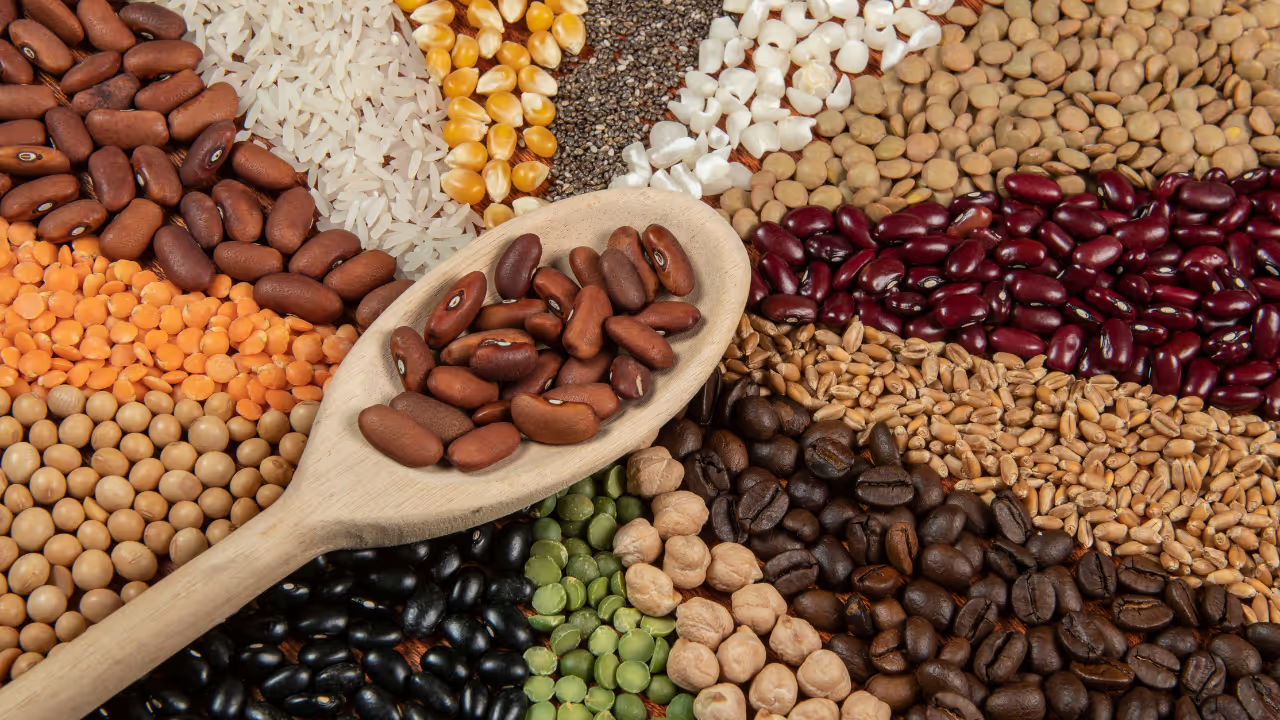
Legumes Black beans, chickpeas, lentils
Dark chocolate At least 70% cocoa
Source: NIH Office of Dietary Supplements, magnesium
02 / Zinc
Essential for pancreatic function
Zinc supports enzyme production and pancreatic health. It plays a significant role in protein synthesis and cell function, which is part of how the pancreas produces and regulates amylase.
Shellfish Oysters, crab, lobster
Meat Beef, chicken, lamb
Dairy Cheese, yogurt, milk
Legumes Chickpeas, lentils, black beans
Nuts and seeds Pumpkin seeds, hemp seeds, cashews
Source: NIH Office of Dietary Supplements, zinc
Balancing intake
Getting enough of both minerals matters for sustaining normal enzyme levels. A balanced diet usually covers it. Some people may benefit from supplementation, particularly those with digestive disorders, high stress or absorption issues, and that's a conversation worth having with a clinician rather than a guess.
Further reading: Mayo Clinic on supplements and diet

Diet is one input, your results are another
Magnesium and zinc support the machinery that produces digestive enzymes. Eating well is worth doing on its own terms, but it tells you what you're putting in rather than what's happening in your body.
If you're tracking pancreatic and metabolic health, particularly on a GLP-1 medication where enzyme monitoring matters, testing gives you the actual numbers alongside the dietary work.
Comprehensive GLP-1 Test
18 biomarkers covering pancreatic, liver, kidney, metabolic, cardiovascular, thyroid and inflammation markers, from one finger-prick sample.
$185 GLP35 for $35 off · Basic GLP-1 Test $125 with GLP15 for $15 off
This article is for informational purposes and is not a substitute for medical advice, diagnosis or treatment. Talk to a healthcare provider before starting any supplement, particularly if you take medication or have a digestive or absorption condition.