Help Prevent Liver Damage Before It’s Too Late With Our At-home Test
By Choose Health6 mins read
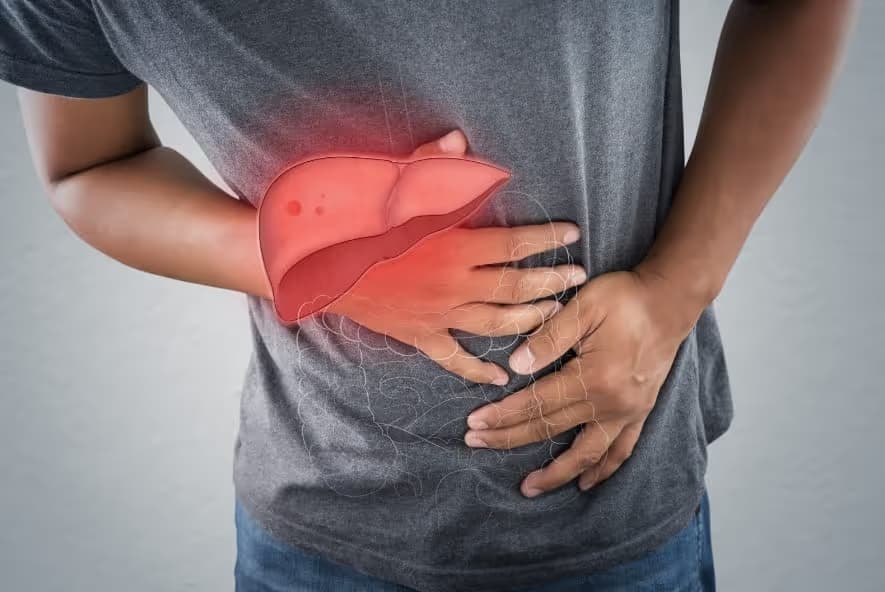
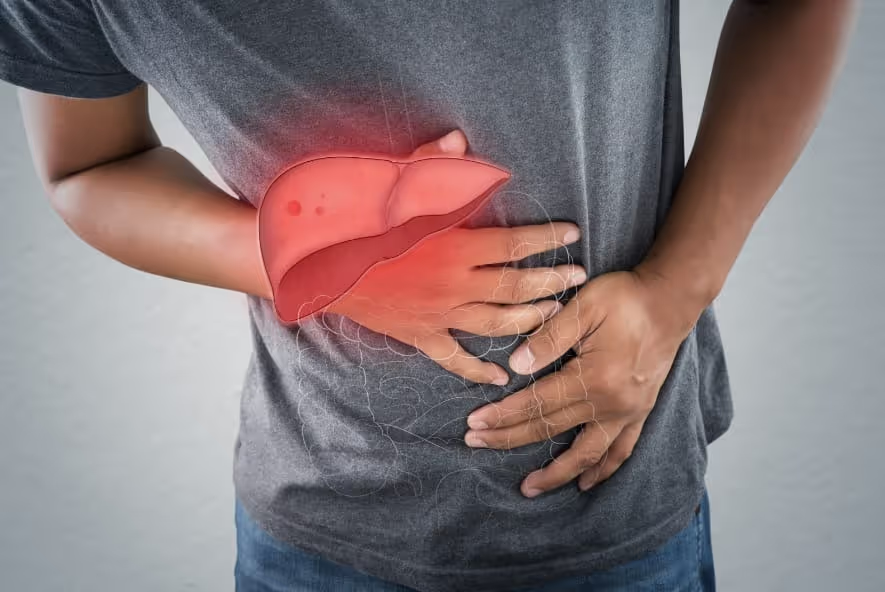
Liver testing is one shot in the arm that can transform how you spend the rest of your life. That can either mean decades of dealing with liver disease – or a wake-up call that puts you more in control of your life than ever before. You may not feel the symptoms of liver disease until it's too late, so consider doing a quick, easy, and affordable at home blood test with us to see where your liver stands.
Who Should Get Tested
It's always a good idea to get routine blood work done, but there are some people who need it more urgently than others. Liver problems stay silent even when a critical amount of damage has already taken place. We don't want you to live in fear of illness, but we also think a simple at-home blood test is one of the best things you can do to keep in control of your health.
The combination of ease/convenience and the value of the information gained is pretty hard to beat.
Those with the following should get their liver tested as soon as possible:
● A history of regular alcohol consumption
● A family history of liver problems
● Anaemia, high blood pressure, or diabetes
● Gallbladder disease
● A recent risk of hepatitis exposure
● Existing liver disease
How Do You Take the Test?
It takes minutes to complete the test, and you don't even have to leave your home – except to slip the envelope in the mailbox, of course.
The kit will guide you through the steps.
1. Clean your finger with one of the provided disinfecting wipes.
2. Prick the finger with the provided lancet.
3. Hold the finger over the area on the card where you're supposed to drop the blood.
4. Make sure the card collects enough blood so that it spreads to the specified line on
the card.
5. Your blood may come out slowly, so squeeze your finger in downward motions
(towards the prick) to help it come out. You may need to collect four big drops
before the line is reached.
6. Once the pool of blood is large enough, let the card dry for 20 minutes.
7. Slip the card into the protective envelope and send it to the provided address.
That's all it takes! The process is so simple, yet it'll tell you so much. If you are unclear from the above, Alex will talk you through it here.
The Results
This test will return results to you without providing medical advice. However, you'll still definitely know if you have safe or unsafe levels of certain biomarkers in your blood. You may benefit from further advice from a health practitioner, which Choose Health offer as a follow up consultation for just $15.00. This can provide much needed insights and next steps after receiving results. Try one of our at-home tests today to work towards one of the best defences against illness: prevention.