GLP-1s to Treat Fatty Liver Disease: Benefits and Limitations
By Alan Farrell7 min read

What You’ll Learn
✓Why fatty liver disease needs to be detected and treated.
✓What causes fatty liver disease to develop.
✓What new research reveals about the effect of GLP-1 semaglutide medications on fatty liver disease.
✓How semaglutide can improve fatty liver disease.
✓The limitations for correcting some types of fatty liver disease and advanced symptoms.
✓How new classes of GLP-1 medications could be even more beneficial for some types of fatty liver disease.
✓How to test the biomarkers affected by GLP-1 treatment and assess risk for fatty liver disease.
Fatty liver disease is a condition that can be reversed - if you know that it’s a problem and correct it early enough.
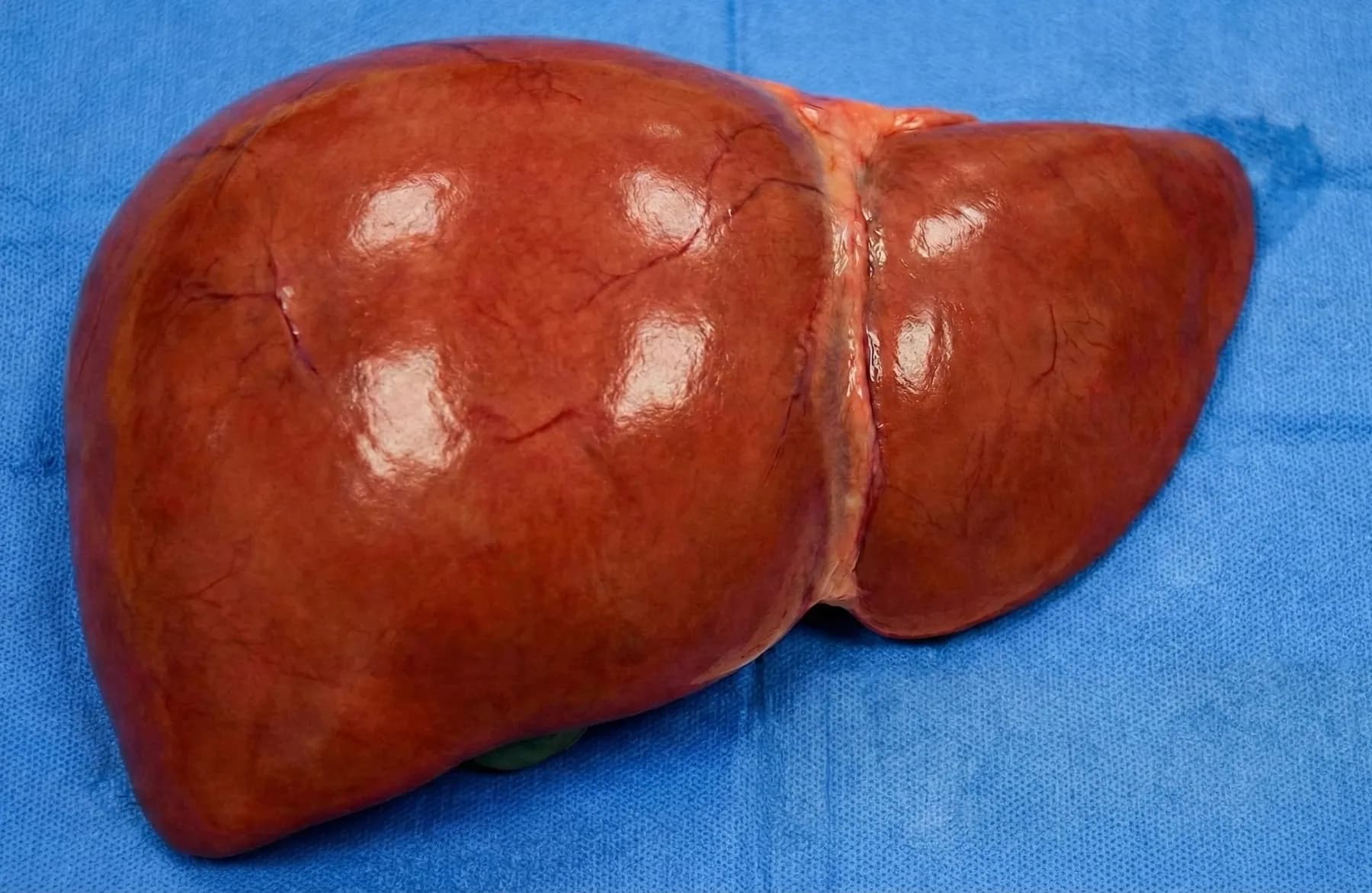
As the name suggests, fatty liver disease is a condition that develops when fat accumulates in liver cells. Once the fat reaches 5-10% of the liver’s weight (just one third of a pound) it can have a negative impact on liver function. This is bad news for your entire body. When fat builds up it’s harder for the liver to process nutrients, purge toxins, regulate blood sugar and manage fats.
Although it doesn’t take much for the liver to become impaired, you won’t realize it’s happening. Fatty liver disease is a condition that typically doesn’t present symptoms until it’s advanced. It can silently cause fibrosis, which is the technical term for tissue scarring, and a number of related problems.
Fortunately, new research shows that GLP-1 semaglutide medication can help correct fatty liver disease, and providers like Choose Health make it possible to test liver function bio-markers that can indicate if the condition could be a problem.
Fatty liver can be silent, but its markers can be measured.
A baseline test gives you ALT, AST, GGT, the AST:ALT ratio, HbA1c, hsCRP and visceral fat. A follow-up test can show whether those markers are moving as your weight, insulin sensitivity or alcohol intake changes.
Test Your Liver Health From Home
Measure ALT, AST, GGT, AST:ALT ratio, HbA1c, hsCRP, and visceral fat with one simple finger-prick test.
Finger-prick · $90 or $75 with LIVER15 · Personalized results · Retest every three months, 20% off
Get the Liver Function Test See the Comprehensive option
LIVER15 automatically applied · $15 off standard · LIVER30 automatically applied · $30 off comprehensive

How Fatty Liver Disease Develops Makes a Difference
Fatty liver disease can be the result of a number of problems, some of which are genetic and others that are based on lifestyle. The biological factors that are involved include:
- Insulin resistance that causes the liver to take in and store more fat
- Increased delivery of body fat to the liver
- Reduced fat export from the liver
- Oxidative stress that damages liver cells
- Chronic low-grade inflammation
Think of fatty liver disease like a traffic jam.
There’s too much fat coming in and not enough leaving, so the liver gets backed up with fat.
Anyone who is obese, has type 2 diabetes, insulin resistance or metabolic dysfunction is at a higher risk of developing fatty liver disease. Certain lifestyle choices can also increase a person’s risk.
How GLP-1 Semaglutide Helps With Fatty Liver Disease
When you consider the causes and risk factors for developing fatty liver disease it makes sense that GLP-1 medications can help with the condition. In early stages, fatty liver disease can improve or even resolve fully with:
5–10% Weight loss as a share of body weight
Improved Insulin sensitivity
Better Metabolic control
These are all proven benefits of GLP-1 semaglutide medications that have been used for years to help people lose weight and regulate insulin. But in order to get FDA approval as a treatment for fatty liver disease clinical studies needed to be done to provide definitive proof. That proof has come in a few new studies for a type of GLP-1 known as semaglutide.
Semaglutide received accelerated approval from the FDA for metabolic dysfunction-associated steatohepatitis after a study known as the ESSENCE Trial showed that Wegovy (a GLP-1 receptor agonist):
ESSENCE Trial interim results
63% Resolved MASH without worsening fibrosis.
37% Improved fibrosis without increasing inflammation.
33% Both resolved MASH and improved fibrosis.
Improvements in the bio-markers ALT and AST (indicators of liver function) as well as reduced inflammation were noted. The results were significantly better than a placebo group, showing that semaglutide medication can be an effective treatment for fatty liver disease and that the metabolic benefits of improved insulin sensitivity and weight loss can be profound.
Given that 6% of adults are known to have metabolic dysfunction-associated steatohepatitis (MASH) and the number of affected people is growing, the FDA granted accelerated approval. This allows drugs treating serious, unmet medical needs to be approved based on a beneficial endpoint rather than direct clinical benefit. Access to promising therapies is possible, but post-marketing trials are needed to confirm the clinical benefit. If the clinical benefit isn’t confirmed, FDA approval could be withdrawn.
What the Latest Research Shows About GLP-1’s Fatty Liver Disease Limitations
As promising as GLP-1 is for the liver, there are limitations to what it can do. It’s not FDA-approved for alcohol-associated fatty liver disease (AFLD), one of the two primary types of the disease. It also cannot reverse every case of advanced scarring.
Limitations For Alcohol-Associated Fatty Liver Disease
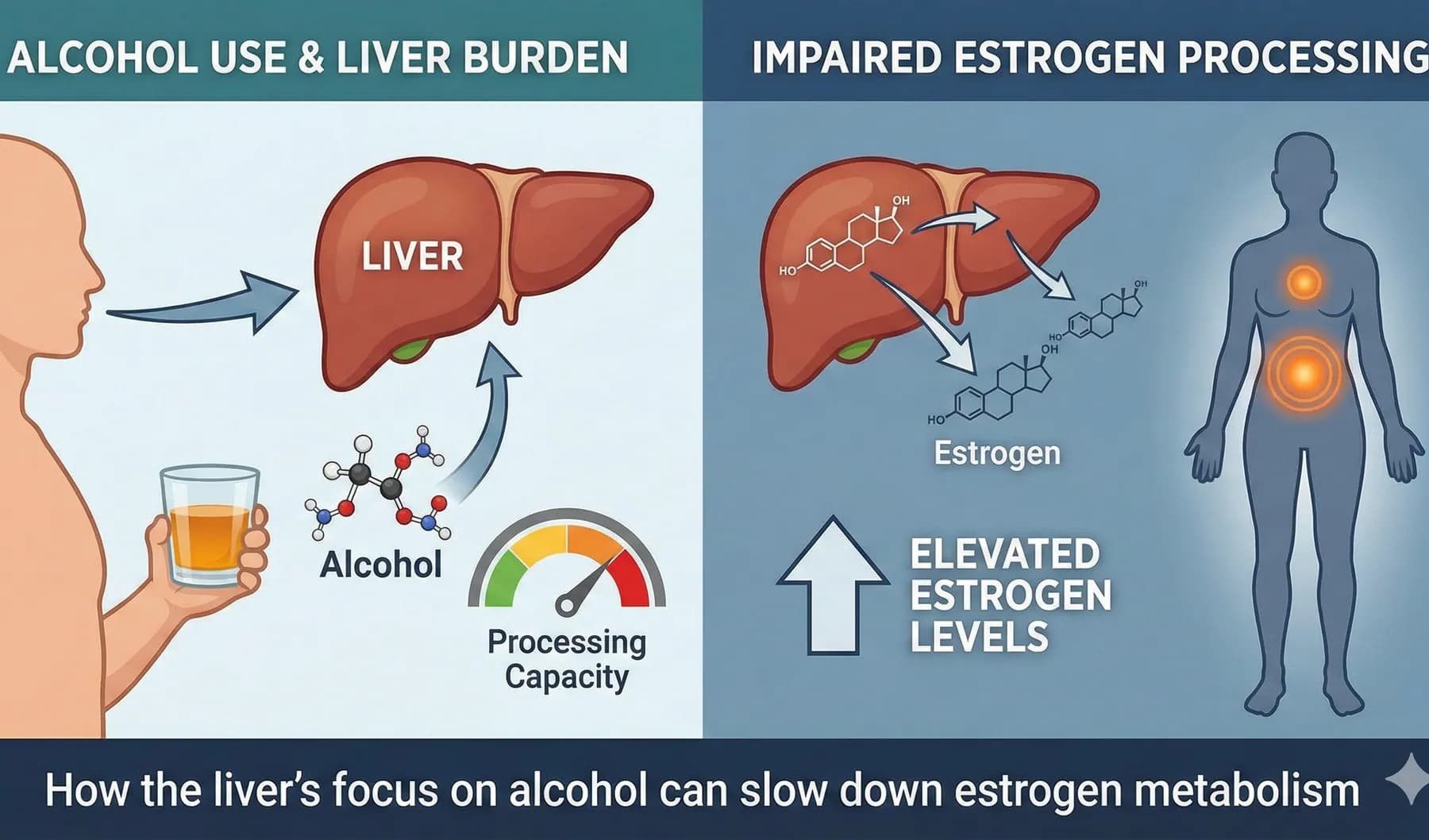
The benefits from GLP-1 medications are limited when alcohol-associated fatty liver disease is still being driven by ongoing alcohol use. Continued drinking can limit or reverse improvements, whether drinking is moderate, chronic or episodic.
Consuming alcohol not only damages liver cells, it also impairs fat metabolism in the liver. The impairment causes fat to accumulate in the liver. This can happen even in people who aren’t overweight. You can have an average body mass index but have higher than average liver fat accumulation.
Anyone who is finding it difficult to curb their alcohol consumption should consider getting assistance. That could mean joining an intensive outpatient program (IOP) or medication-assisted treatment. Today, it’s possible to get a naltrexone prescription online to help curb alcohol cravings and get drinking under control.
Limitations For Cirrhosis
Cirrhosis is a sign of advanced liver damage. It is late-stage fibrosis in which a significant amount of liver tissue has turned into scar tissue. Cirrhosis forms after prolonged liver disease and conditions that damage the liver, such as chronic alcohol use or hepatitis.
Advanced scarring may not fully reverse and requires medical evaluation and ongoing management. Treating the underlying cause can still help prevent further damage and, in some people, improve liver function.
What’s to Come With GLP-1s For Treating Fatty Liver Disease
One important thing to keep in mind is that the research into GLP-1s for fatty liver disease has just begun. There are a number of ongoing research studies testing the long-term effects and new studies that are just getting underway. The ESSENCE Trial itself is still being conducted to gauge how semaglutide impacts fatty liver disease over time.
New types of GLP-1 medications will also likely have a significant impact on how fatty liver disease is treated. The next generation of GLP-1 drugs that are being tested combine GLP-1 activity with other receptor targets for greater benefit. Some of the current studies include:
| Biomarker / Drug | Estimated Impact |
|---|---|
| Tirzepatide GLP-1/GIP dual agonist | Phase 2 & 3 data: substantial reductions in liver fat, improved NASH resolution. Larger trials like SYNERGY-NASH exploring broader use in NAFLD/MASH. |
| Retatrutide GLP-1/GIP/Glucagon triple agonist | Phase 2b: ≥50% liver fat reduction, strong NASH resolution vs placebo. Early research: more potent liver effects compared to dual agonists. |
| Efinopegdutide & Survodutide Dual receptor GLP-1 + glucagon | Phase 2 studies show significant liver fat reductions. |
In other words, Wegovy’s FDA approval was just the beginning. With an estimated 30% of Americans having some level of fatty liver disease, GLP-1 medications could prove to be a huge gamechanger for millions of people.
Track what is happening in your liver
Weight loss and improved insulin sensitivity may change ALT, AST, GGT, blood sugar and inflammation. A baseline and follow-up test can show whether your markers are moving.
Test 7 core liver markers Test the broader picture
LIVER15 automatically applied · $15 off standard · LIVER30 automatically applied · $30 off comprehensive

Do You Need a GLP-1 Boost to Support Your Liver Health? Find Out With At-Home Tests
Choose Health is at the forefront of at-home blood testing that can dramatically transform how you improve your health. We’re among the first providers to offer GLP-1 monitoring tests that measure biomarkers affected by GLP-1 treatment and metabolic health.
By analyzing your blood sugars, liver enzymes, kidney function and more, you can get a clearer view of the markers that may be relevant when discussing GLP-1 medications with a healthcare provider. Before you spend hundreds on GLP-1 semaglutides, an at-home test can help establish the baseline you will use to measure progress.
Establish a baseline See where liver enzymes, blood sugar and other metabolic markers stand before treatment or a major lifestyle change.
Measure progress Retest after your body has had time to respond and compare the new results with your starting point.
Add context Use the pattern across multiple markers instead of relying on weight or symptoms alone.
What testing can tell you
Blood testing can show how relevant biomarkers are changing. It does not diagnose fatty liver disease or determine whether a GLP-1 medication is appropriate for you. Those decisions should be made with a qualified healthcare professional.
Measure your liver response instead of guessing
Start with a baseline, track ALT, AST, GGT and metabolic markers, then retest to see whether weight loss, improved insulin sensitivity or reduced alcohol use is changing your liver health.
Start with 7 core markers Measure the broader picture
LIVER15 automatically applied · $15 off standard · LIVER30 automatically applied · $30 off comprehensive