Free Triiodothyronine (Free T3) and Soy Consumption
By Michael Aaron2 min read
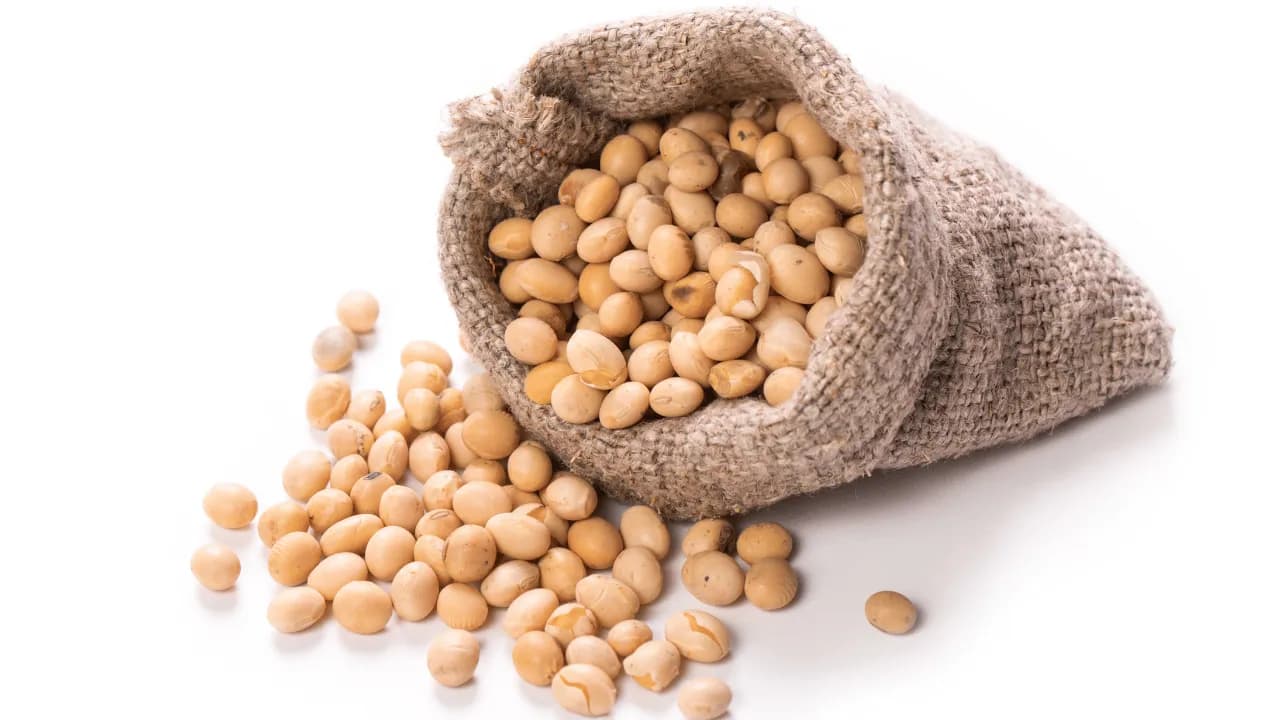
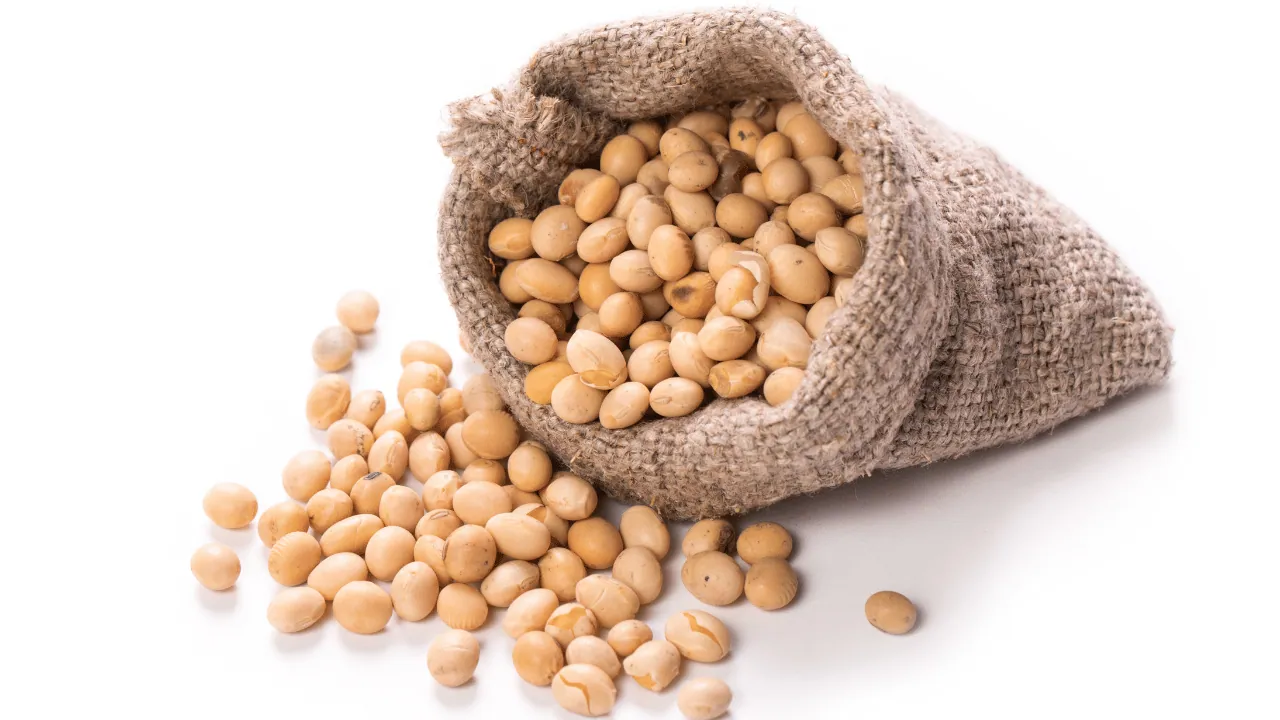
Free Triiodothyronine (Free T3) is a crucial thyroid hormone that regulates metabolism, energy production, and various bodily functions. It is primarily produced through the conversion of T4 (thyroxine) in the liver and kidneys. While maintaining optimal Free T3 levels is essential for overall health, certain dietary factors, such as excessive soy consumption, can impact thyroid function and hormone synthesis.
The Role of Free T3 in the Body
Free T3 plays a pivotal role in regulating metabolism by influencing how cells convert nutrients into energy. It also helps control body temperature, heart rate, and digestive processes, making it essential for maintaining energy balance and overall metabolic health. Moreover, Free T3 is critical for brain development and neurological function, particularly in early life stages.
Soy and Thyroid Function
Soy products are a popular source of protein, especially in plant-based diets. However, soy contains phytoestrogens—plant-derived compounds that mimic the hormone estrogen. While moderate consumption of soy can be beneficial, excessive intake may interfere with thyroid function.
- Inhibition of Thyroid Hormone Synthesis : Phytoestrogens in soy can inhibit the synthesis of thyroid hormones, including T4, which subsequently reduces the conversion to Free T3. This inhibition occurs because phytoestrogens can block the uptake of iodine, a critical element required for thyroid hormone production.
- Impact on Free T3 Levels : By interfering with iodine absorption and thyroid function, excessive soy consumption may lead to reduced levels of Free T3. This can result in a slowed metabolism, lower energy levels, and other symptoms associated with hypothyroidism.
Moderation is Key
For individuals concerned about their thyroid health, especially those with existing thyroid conditions, it is advisable to consume soy products in moderation. Balancing soy intake with iodine-rich foods, such as seafood, dairy, and iodized salt, can help support thyroid function and maintain healthy Free T3 levels.
While soy products can be part of a healthy diet, it’s important to consume them in moderation to avoid potential negative effects on thyroid function and Free T3 levels. Ensuring a balanced diet that supports thyroid health is essential for maintaining optimal metabolic function and overall well-being. If you’re concerned about your thyroid health, consider monitoring your Free T3 levels and making informed dietary choices to support your metabolic health.
For more insights on thyroid health and how to maintain hormonal balance, visit Choose Health.