GLP-1 Blood Test Monitoring: What to Test on Ozempic, Wegovy, or Mounjaro
By Daniel Montville9 min read
This guide covers which markers to monitor while taking a GLP-1 medication, what your results mean, and how often to test.
How GLP-1 medications affect your body
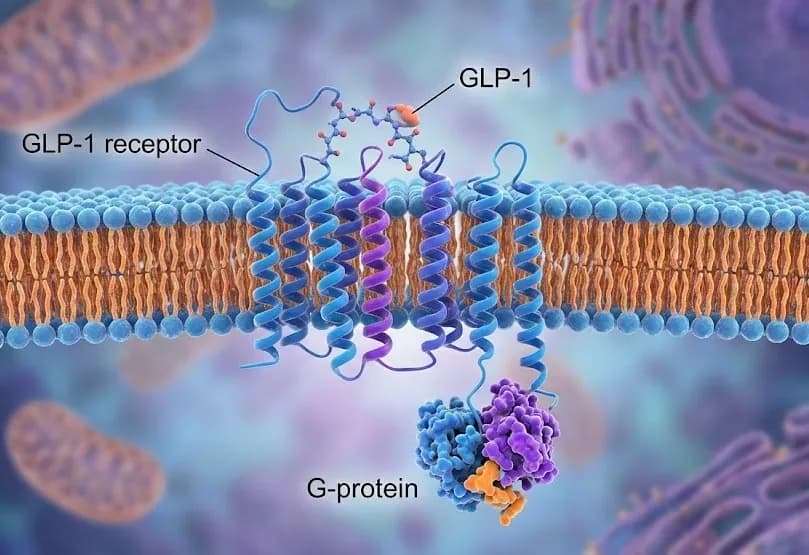
GLP-1 receptor agonists mimic a natural hormone called glucagon-like peptide-1, which regulates blood sugar, slows stomach emptying and signals fullness to your brain.
The medications work. In the STEP 1 trial, participants lost an average of 14.9% of body weight over 68 weeks. The SELECT trial demonstrated a 20% reduction in major cardiovascular events.
They are also powerful drugs that interact with multiple organ systems. GLP-1s stimulate insulin release from pancreatic beta cells, slow gastric emptying, are metabolized primarily by the liver, are cleared partly through kidney function, and have effects on thyroid C-cells that are still being studied.
Nearly half of patients stop within the first year Many stop because of side effects that blood testing could have caught earlier. Markers like ALT, eGFR and lipase show organ stress before you feel symptoms.
Monitor more than your weight
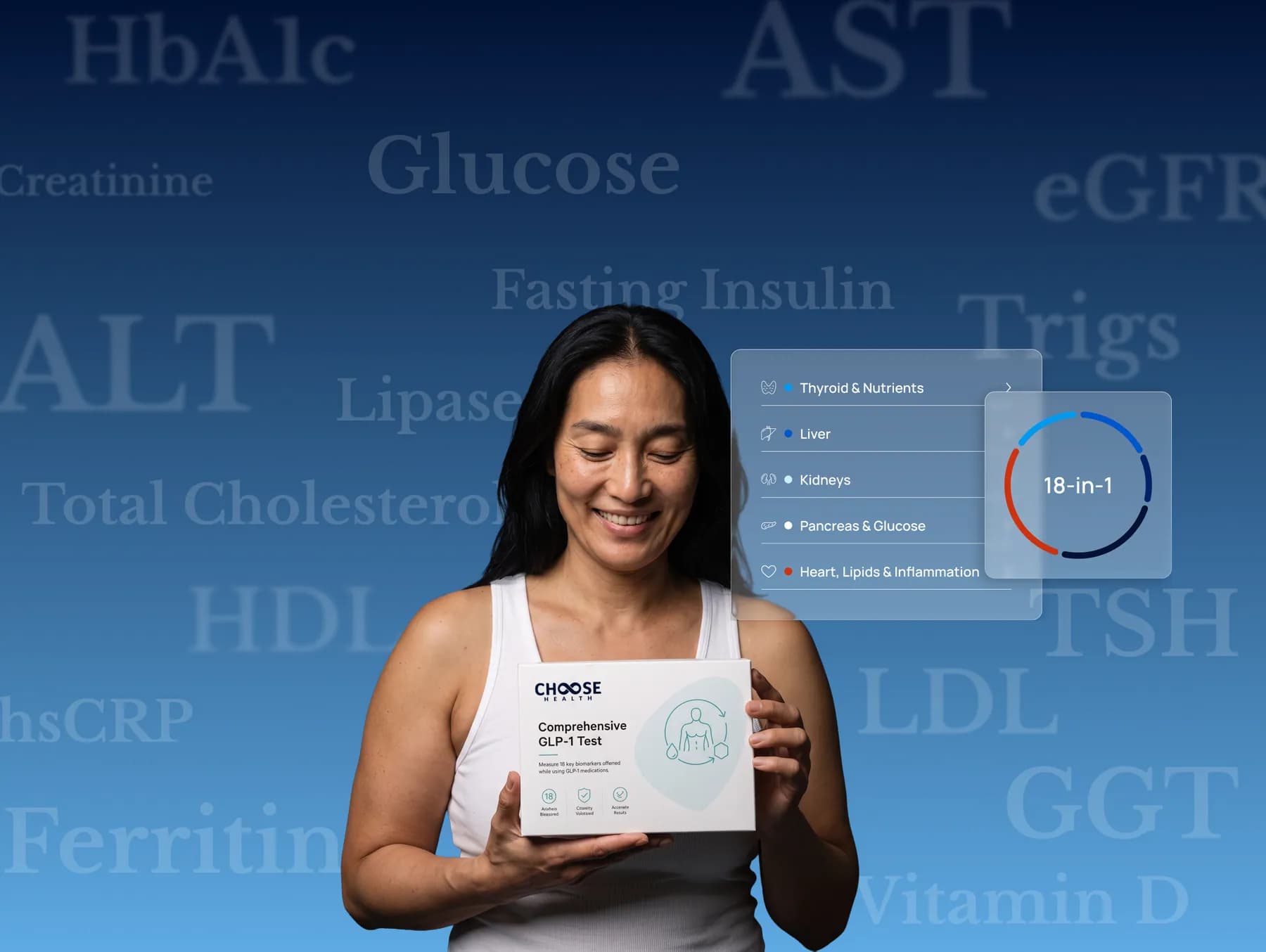
Comprehensive GLP-1 Test
18 biomarkers affected by medications like Ozempic®, Wegovy®, Mounjaro® and Zepbound®, covering liver, kidney, metabolic, cardiovascular, thyroid, inflammation and pancreatic health.
✓ 18 biomarkers
✓ Finger-prick collection
✓ CAP and CLIA labs
✓ Plain-English results
$185
GLP35 for $35 off · Basic GLP-1 Test $125 with GLP15 for $15 off
Track the biomarkers that change during GLP-1 therapy, not just the number on the scale.
How often do you need blood tests on a GLP-1
Baseline testing helps identify pre-existing issues before you start. Early follow-up at 8 to 12 weeks checks how your body is responding. Ongoing testing may be spaced out or driven by symptoms if your results are stable and you feel well.
Most clinicians prioritize trends over isolated results. A one-time fluctuation may not mean much, while consistent change over time gives a clearer picture.

The organ systems that need monitoring
01 / Liver
Liver function
Your liver processes GLP-1 medications. It's also where these drugs may deliver unexpected benefits.
Research published in Frontiers in Endocrinology found that GLP-1 receptor agonists can improve liver health in people with metabolic dysfunction-associated steatotic liver disease, or MASLD, formerly NAFLD. Semaglutide reduced liver fat, inflammation and fibrosis scores in clinical trials. Improvement isn't guaranteed, and your numbers confirm what's actually happening.
| Marker | What it measures | Optimal range |
|---|---|---|
| ALT | Liver cell stress | Men: <55 U/L · Women: <45 U/L |
| AST | Liver and muscle stress | Men: <45 U/L · Women: <35 U/L |
| GGT | Bile duct health, oxidative stress | Men: <14 U/L · Women: <9 U/L |
| AST:ALT ratio | Pattern of liver stress | <1 is optimal |
ALT is the most liver-specific and rises early when liver cells become inflamed. AST increases with liver or muscle stress. GGT reflects bile duct function and oxidative stress. The AST:ALT ratio helps identify the cause: above 2 suggests alcohol-related stress, below 1 is typical of MASLD.
Alcohol and GLP-1 monitoring. Many people starting a GLP-1 already have some degree of MASLD, and alcohol compounds it. Even moderate drinking elevates GGT and can mask improvements from the medication. If you're reducing alcohol alongside GLP-1 therapy, tracking liver enzymes shows whether both efforts are working. For alcohol use concerns, Choose Your Horizon offers specialized support that complements metabolic health goals.
02 / Kidney
Kidney function
GLP-1 medications can affect your kidneys. Dehydration is common on these drugs because of reduced appetite and GI side effects, and dehydration stresses kidney function.
The FDA prescribing information for semaglutide notes that acute kidney injury has been reported in patients taking GLP-1 receptor agonists. Most cases occurred in patients who became dehydrated from GI side effects.
| Marker | What it measures | Optimal range |
|---|---|---|
| Creatinine | Waste product filtered by kidneys | Men 0.74 to 1.35 mg/dL, women 0.59 to 1.04 mg/dL |
| eGFR | How well kidneys filter blood | >90 ml/min (varies by age) |
eGFR below 60 ml/min indicates moderate loss of kidney function. A drop of more than 15 points from your baseline warrants attention. Creatinine rising above reference range suggests reduced function. Staying hydrated matters more on these medications, and so does monitoring.
03 / Pancreas
Pancreatic health
GLP-1 medications stimulate your pancreas to release insulin, which is their primary mechanism for blood sugar control. The concern is pancreatitis, which has been reported in patients taking these drugs and appears as a warning on the FDA label.
Lipase is the primary marker to monitor. It's more specific to the pancreas than amylase and stays elevated longer after injury, which makes it the more reliable early signal.
| Marker | What it measures | Warning sign |
|---|---|---|
| Lipase | Pancreatic enzyme | >3x upper limit of normal |
When to seek care immediately A lipase rise above 3 times the upper limit of normal, particularly alongside upper abdominal pain that radiates to the back, requires immediate clinical evaluation.
Both amylase and lipase can rise modestly on GLP-1 medications without indicating pancreatitis. This is a known pharmacological effect. What matters is the size of the rise and whether symptoms accompany it.
04 / Blood sugar
Blood sugar control
Improving blood sugar is the primary purpose of these medications. Testing confirms whether it's working for you.
| Marker | What it measures | Optimal range |
|---|---|---|
| Fasting glucose | Blood sugar after 8 or more hours fasting | <100 mg/dL |
| HbA1c | Average blood sugar over 2 to 3 months | <5.6% (pre-diabetic 5.6 to 6.4%) |
HbA1c is the more reliable indicator because it reflects long-term control rather than a single moment. If HbA1c hasn't improved after 3 months on medication, dosing or approach may need adjustment.
05 / Cardiovascular
Cardiovascular markers
GLP-1 medications have demonstrated cardiovascular benefits in clinical trials. The SELECT trial showed a significant reduction in heart attacks, strokes and cardiovascular death. Advanced testing tracks whether you're getting those benefits.
| Marker | What it measures | Optimal range |
|---|---|---|
| LDL cholesterol | Cholesterol that raises risk | <100 mg/dL |
| HDL cholesterol | Cholesterol that lowers risk | Men: >40 mg/dL · Women: >50 mg/dL |
| Triglycerides | Blood fats | <150 mg/dL |
| hs-CRP | Inflammation | <1 mg/L |
| ApoB | Cardiovascular risk particle count | Lower is better |
Weight loss alone improves most cardiovascular markers. ApoB is particularly worth tracking, since it's a more direct measure of cardiovascular risk than standard LDL. Testing shows how much improvement you're actually getting.
06 / Thyroid
Thyroid function
The FDA label for semaglutide includes a boxed warning about thyroid C-cell tumors, based on animal studies. The clinical significance in humans remains under investigation, which is why thyroid monitoring is worth including at baseline and annually.
GLP-1 receptors are present in thyroid tissue, and rapid weight loss can independently affect thyroid hormone levels. Without baseline data it's hard to separate the two.
TSH outside the 0.5 to 4.5 range warrants follow-up. High TSH can cause fatigue and slow metabolism, symptoms that overlap heavily with GLP-1 side effects, which is what makes baseline data useful.
Thyroid testing isn't required for everyone on GLP-1 therapy. Prioritize it if you have a personal or family history of thyroid disease, unexplained fatigue, or changes in heart rate or temperature regulation.
What changes to watch for
Not every fluctuation matters. These do.
| Marker | Concerning change | What it may indicate |
|---|---|---|
| ALT or AST | Rise >2x your baseline | Liver stress or injury |
| GGT | Persistent elevation | Bile duct issues or oxidative stress |
| eGFR | Drop >15 points from baseline | Kidney function decline |
| Creatinine | Rise above reference range | Reduced kidney function |
| Lipase | Rise >3x upper limit | Possible pancreatitis |
| TSH | Outside 0.5 to 4.5 mIU/L | Thyroid dysfunction |
| HbA1c | No improvement after 3 months | May need dose adjustment |
Share significant changes with your prescribing clinician. Single elevated readings may not indicate a problem. Trends across multiple tests reveal the real picture.
Diabetes versus weight loss: what's different
Not everyone takes a GLP-1 for the same reason, and monitoring needs differ.
For diabetes management
- HbA1c and fasting glucose are the primary markers
- Kidney function is monitored more closely, especially alongside metformin or insulin
- Lipids help track cardiovascular risk
For weight loss
- Baseline metabolic labs still matter
- Liver enzymes and kidney function track safety
- Blood sugar markers may be checked less often without diabetes
Muscle mass, electrolytes and nutrients
Rapid weight loss reduces more than fat. Lean muscle can decline too if protein intake and resistance training are inadequate. Preserving muscle matters for metabolic health, insulin sensitivity, long-term weight maintenance, and strength and mobility. Prioritize adequate protein, include resistance training, and avoid excessively aggressive calorie restriction.
Muscle loss also affects how labs read. Creatinine may decline alongside reduced muscle mass, which complicates kidney marker interpretation over time.
Dehydration is one of the most common side effects, especially early in treatment. Reduced fluid intake, nausea or vomiting can lead to imbalances in sodium, potassium and chloride. Electrolyte shifts worsen fatigue, dizziness, muscle cramps and kidney stress, and electrolyte testing can add context alongside creatinine and eGFR.
Significant appetite reduction can also affect nutrient intake over time. GLP-1 medications don't directly deplete nutrients, but people eating less may develop low or borderline levels of vitamin B12, particularly if also taking metformin, vitamin D, and iron, particularly in menstruating women. These labs aren't required for everyone, but they can identify correctable deficiencies if you have fatigue, hair loss, dizziness or prolonged reduced intake.

When and how often to test
Healthcare providers recommend baseline testing before starting GLP-1 therapy, then periodic monitoring during treatment.
Before starting
Get a baseline panel covering liver, kidney, pancreatic, thyroid and metabolic markers. This is the reference point for every future comparison.
First 3 months
Test at 6 to 8 weeks. This catches early organ stress while your body adjusts, since side effects are most common during titration.
Ongoing
Every 3 to 6 months depending on your health status. More frequent testing makes sense with pre-existing conditions or if you experience side effects.
If symptoms appear
Test promptly for persistent abdominal pain, unusual fatigue, swelling or changes in urination, or rapid heart rate.
What testing reveals over time
Single snapshots miss the full picture. Patterns across multiple tests show how your body actually responds to GLP-1 therapy: whether your liver is improving, stable or stressed, whether kidney function holds steady, whether blood sugar goals are being met, whether cardiovascular risk markers are improving, and whether any early warning signs are appearing before symptoms.
Many people feel better on these medications before their lab markers normalize. Others see lab improvements before noticing physical change. The goal isn't perfect numbers on every test. It's understanding your trajectory, where consistent improvement over 6 to 12 months matters more than any single result.
Frequently asked questions
Do GLP-1 medications like Ozempic® and Wegovy® show up on blood tests?
No. GLP-1 medications do not appear on standard blood tests. Blood testing during GLP-1 therapy is used to monitor how your liver, kidneys, pancreas, metabolism and cardiovascular system respond to treatment, not whether the medication is present.
What blood tests should I get before starting Ozempic® or Wegovy®?
Many clinicians recommend establishing a baseline before starting GLP-1 therapy. Common tests include ALT, AST, GGT, creatinine, eGFR, HbA1c, fasting glucose, a lipid panel and lipase. Baseline results make it easier to identify meaningful changes during treatment.
How often should I get blood tests while taking GLP-1 medications?
Many clinicians recommend testing before treatment, again after roughly 6 to 8 weeks, then every 3 to 6 months depending on your health history and previous results. More frequent monitoring may be appropriate for people with existing liver, kidney or metabolic conditions.
Can GLP-1 medications damage the liver?
Current evidence does not suggest that GLP-1 medications commonly cause liver injury. In many people with metabolic dysfunction-associated steatotic liver disease, they may actually improve liver health. Monitoring ALT, AST and GGT over time helps confirm how your liver is responding.
Can GLP-1 medications cause pancreatitis?
Acute pancreatitis has been reported in people taking GLP-1 receptor agonists, although the overall risk appears to be low. Lipase is the primary laboratory marker used to evaluate pancreatitis. Significant lipase elevation together with severe abdominal pain requires prompt medical evaluation.
Do GLP-1 medications affect kidney function?
GLP-1 medications are not generally considered directly harmful to the kidneys. Dehydration caused by nausea, vomiting or reduced fluid intake can temporarily affect kidney function. Monitoring creatinine and eGFR helps identify these changes early.
What changes in kidney markers are concerning while taking GLP-1 medications?
A noticeable decline in eGFR, or a creatinine level that rises above the laboratory reference range, should be discussed with your prescribing clinician. Your provider will interpret these results alongside your medical history and previous laboratory values.
Can GLP-1 medications cause vitamin or nutrient deficiencies?
GLP-1 medications do not directly deplete nutrients. Reduced appetite and rapid weight loss may lower dietary intake over time. Vitamin B12, vitamin D and iron are commonly monitored if symptoms such as fatigue, hair loss or prolonged low appetite develop.
Should I monitor my thyroid while taking GLP-1 medications?
The FDA prescribing information includes a boxed warning regarding thyroid C-cell tumors based on animal studies. Routine thyroid testing is not required for everyone, but your healthcare provider may recommend monitoring if you have a personal or family history of thyroid disease.
Why should I monitor blood work if I feel fine on GLP-1 medications?
Many changes in liver enzymes, kidney function or pancreatic biomarkers occur before symptoms develop. Regular blood testing helps identify changes early and provides objective data on how your body is responding throughout treatment.
Comprehensive GLP-1 Test
18 biomarkers across liver, kidney, metabolic, cardiovascular, thyroid, inflammation and pancreatic health, from one finger-prick sample.
$185 GLP35 for $35 off · Basic GLP-1 Test $125 with GLP15 for $15 off
This article is for informational purposes and is not a substitute for medical advice, diagnosis or treatment. Do not start, stop or change a prescribed medication based on at-home test results. Discuss your results and any symptoms with your prescribing clinician. Ozempic, Wegovy, Mounjaro and Zepbound are registered trademarks of their respective owners and are not affiliated with Choose Health.